Steel Supplies Adelaide: The Ultimate Guide to Selecting Long-Lasting Steel Materials for Your Project
When embarking on any construction or manufacturing project in Adelaide, the choice of materials plays a crucial role in determining the longevity and success of the project. Among the most reliable and versatile materials available, steel stands out as a top choice for its strength, durability, and adaptability. However, not all steel supplies are created equal. Understanding how to choose the right steel materials for your project can ensure both quality and long-term reliability. In this guide, we will delve into the key factors to consider when selecting long-lasting steel supplies.
Understanding Steel Grades and Types
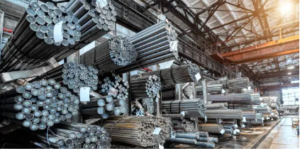 Steel comes in various grades and types, each with distinct properties tailored to specific applications. The selection of steel supplies largely depends on the demands of your project. Steel is typically classified into four main categories:
- Carbon Steel: Known for its high strength and low cost, carbon steel is widely used in construction and infrastructure. It is available in three subcategories: low, medium, and high carbon, each offering different levels of hardness and durability.
- Alloy Steel: Alloy steel incorporates elements like chromium, nickel, and manganese to enhance strength, corrosion resistance, and heat tolerance. This type is often preferred for high-performance applications such as aerospace or automotive manufacturing.
- Stainless Steel: Renowned for its corrosion resistance, stainless steel is ideal for environments prone to moisture, chemicals, or extreme temperatures. It is frequently used in the food industry, medical devices, and marine applications.
- Tool Steel: This type of steel is known for its hardness and is primarily used for making tools and machine parts. It withstands high wear and tear, making it a great option for cutting, shaping, and drilling operations.
When selecting steel supplies, understanding the different grades and their applications is crucial to ensuring the longevity and performance of your project.
Corrosion Resistance: A Key to Durability
One of the most important factors in choosing long-lasting steel supplies is their resistance to corrosion. Corrosion weakens steel over time, leading to structural failures or compromised integrity in your project. Stainless steel, in particular, offers excellent corrosion resistance due to its high chromium content, which forms a protective layer against rust and oxidation.
For projects exposed to moisture, humidity, or harsh chemicals, consider choosing steel supplies that are coated with protective finishes, such as galvanisation, to extend their lifespan. Galvanised steel is coated with a layer of zinc, which serves as a sacrificial barrier to protect the steel from rust. When long-term exposure to the elements is a concern, corrosion-resistant steel supplies will ensure your project remains strong and safe for years to come.
Strength and Load-Bearing Capacity
The strength of the steel you select will directly impact the overall integrity and stability of your project. Depending on the load-bearing requirements, you’ll need to choose steel supplies that can withstand the expected stresses and strains. Structural steel, commonly used in buildings, bridges, and large-scale projects, provides excellent load-bearing capacity while maintaining flexibility to absorb shocks.
For high-performance or industrial applications, high-strength steel alloys, like HSLA (High-Strength Low-Alloy) steel, are often preferred. These alloys offer superior strength without compromising on weight, making them ideal for applications where both strength and efficiency are necessary.
Weldability and Formability
Another important consideration when choosing steel supplies is the material’s ability to be welded, formed, or machined into desired shapes. Weldability refers to how easily steel can be joined together using welding techniques, while formability speaks to how easily it can be shaped into specific forms.
When selecting steel supplies, evaluate whether the material’s welding and forming characteristics align with the specific needs of your project.
Weight and Flexibility
The weight of steel supplies can also be a significant factor, particularly in industries like transportation, aerospace, and construction. While steel is renowned for its strength, it can also be heavy, which may impact the overall design and cost of your project. For applications where weight reduction is a priority, lightweight yet strong steel alloys like HSLA or advanced high-strength steel (AHSS) may be the best option.
Conclusion
Selecting the right steel supplies is critical to ensuring the durability, strength, and overall success of your project in Adelaide. By understanding the different types of steel, evaluating corrosion resistance, and considering factors like strength, weldability, and sustainability, you can make informed decisions that lead to long-lasting results. Partnering with a trusted steel supplier ensures that your materials are of the highest quality, providing you with the confidence to complete your project on time and within budget.

Shed Builder Adelaide: Your Guide to Quality and Custom Solutions
Commercial Property Developers Adelaide: Finding The Right Commercial Property Developers
Home Builders Adelaide: What Sets Expert Home Builders Apart?
About Author
