Silage Wrap: Understanding Silage Wrap
In the diverse landscape of Australian agriculture, effective feed preservation techniques are vital for livestock management. One of the most popular methods for preserving forage is the use of silage wrap. This innovative solution not only enhances the quality of feed but also helps farmers optimise their resources. For quality stretch silage wrap, click here.
What is Silage Wrap?
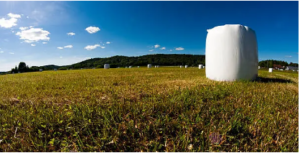 Silage wrap is a plastic film used to cover and protect silage, fermented, high-moisture fodder preserved for later use. Typically made from polyethylene, silage wrap is designed to create an airtight seal around the forage, allowing the fermentation process to occur while minimising exposure to oxygen.
The Importance of Silage Wrap in Australia
Australia’s climate varies significantly from region to region, leading to challenges in forage production. In many areas, farmers face droughts or unpredictable weather patterns that can hinder the growth of pastures and crops.
Benefits of Using Silage Wrap
Enhanced Feed Quality
Silage wrap creates an anaerobic environment that promotes proper fermentation. This process preserves the nutritional value of the forage, resulting in high-quality silage that is rich in energy and protein. Livestock fed with high-quality silage typically exhibit improved growth rates and milk production.
Reduced Waste
Traditional methods of forage preservation, such as haymaking, can lead to significant nutrient loss due to spoilage and exposure to the elements. Silage wrap minimises waste by preventing moisture loss and protecting the silage from contaminants, ensuring that farmers get the most out of their harvested forage.
Flexibility and Convenience
Farmers can wrap silage bales at their convenience, allowing them to manage their workload effectively. This flexibility is especially beneficial during peak harvesting times when farmers need to maximise their efficiency.
Cost-Effective Storage Solution
Silage wrap is lightweight and requires minimal storage space compared to bulk silage systems. It makes it a cost-effective solution for farmers, particularly those operating on a smaller scale.
Easy Handling and Transport
Wrapped silage bales are easier to handle and transport than loose silage. The compact nature of wrapped bales allows farmers to move and store them with greater ease, reducing labour costs and improving efficiency.
Choosing the Right Silage Wrap
When selecting silage wrap, farmers in Australia should consider several factors to ensure optimal performance:
- Thickness and Durability: Silage wrap is available in various thicknesses, usually ranging from 20 to 30 microns. Thicker wraps provide better protection against punctures and tears, while thinner wraps may be more economical but could compromise durability.
- UV Protection: Given Australia’s intense sunlight, choosing a silage wrap with UV protection is crucial. UV-resistant wraps help prevent degradation from sunlight exposure, extending the life of the silage and maintaining its quality.
- Colour: The colour of the silage wrap can impact temperature regulation. For instance, black wraps absorb heat, while white wraps reflect sunlight. Farmers should choose a colour that aligns with their specific climate conditions and storage needs.
Best Practices for Using Silage Wrap
To maximise the effectiveness of silage wrap, farmers should follow these best practices:
- Harvest at the Right Time: Optimal forage moisture content for silage production is typically between 30-40%. Harvesting at the right time ensures proper fermentation and high-quality silage.
- Ensure Proper Sealing: After wrapping the bales, check for any gaps or holes that could allow air to enter. Proper sealing is crucial to maintaining the anaerobic environment necessary for fermentation.
- Store Bales Properly: Store wrapped bales in a cool, dry area away from direct sunlight to protect them from UV damage. It will help preserve the integrity of the wrap and the quality of the hay.
- Monitor and Manage Feed: Regularly check stored silage for signs of spoilage or quality degradation. Managing feed access for livestock can also help maintain the quality of the remaining silage.
Conclusion:
Silage wrap has become an essential tool for Australian farmers, offering an efficient and effective way to preserve forage and ensure a steady feed supply. By understanding its benefits, selecting suitable materials, and following best practices, farmers can optimise their livestock nutrition and improve their overall productivity. As the agricultural landscape continues to evolve, silage wrap will undoubtedly play a pivotal role in sustainable farming practices across Australia.

Net Replacement Film: How High-Quality Net Replacement Film Protects Your Equipment and Maximises Efficiency
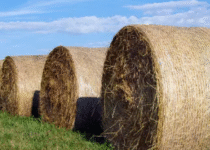
Net Wrap in Australia Choosing High-Quality Net Wrap for Australian Farms
Pallet Freezer Spacers: Improving Airflow, Reducing Costs, and Maintaining Product Quality
About Author
