Category: Farming

Stockinette Bags’Stockinette Bags for Australian Agriculture, Seafood, and Industrial Packaging

Running a successful farm or garden in Australia takes more than just dedication — it requires smart, practical tools that make everyday tasks easier and more efficient. One such essential item that’s earned its place in sheds and greenhouses across the country is the stockinette bags. Lightweight, durable, and versatile, these handy bags have become a go-to solution for storing, protecting, and transporting all kinds of produce.

Versatile and Practical for Farm Use

Stockinette bags are unbelievably versatile, which makes them invaluable on farms of all sizes. They’re most commonly used to store freshly harvested fruits and vegetables, thanks to their breathable design that promotes air circulation. This helps keep produce fresher for longer, reducing the risk of mould and spoilage — a huge advantage in Australia’s varying and often hot climate.

Beyond storage, farmers also rely on stockinette bags to sort and organise their harvests. Being able to quickly separate different types of produce saves valuable time during harvesting and packaging. This helps maintain quality standards and minimises losses from cross-contamination or mishandling — a key benefit for both small growers and large commercial operations.

Protection and Care for Garden Plants

In gardens, stockinette bags play a different but equally important role — protecting plants. Gardeners often use them to cover young seedlings or delicate plants during transport or as they adjust to new conditions. The breathable fabric allows light and water through while shielding against pests, dust, and debris.

They’re also handy for grafting or storing plant cuttings, helping them retain moisture until it’s time to plant. Some gardeners even use stockinette bags as makeshift shade covers during extremely hot weather, offering temporary protection that helps reduce heat stress and increases plant survival rates.

Durable, Reusable, and Eco-Friendly

A major advantage of stockinette bags is their strength and longevity. Made from durable, stretchable materials, they can handle repeated use without tearing or losing shape — even under the tough Australian sun.

Their reusability also aligns perfectly with today’s push toward sustainability. By choosing reusable stockinette bags over single-use alternatives, farmers and gardeners can reduce waste, cut costs over time, and adopt a more environmentally friendly approach to their operations. It’s a small change that makes a big difference.

A Cost-Effective Storage and Transport Solution

Stockinette bags don’t just perform well; they’re also budget-friendly. Their lightweight design lowers shipping and handling costs, while their flexible structure makes packing and stacking simple and space-efficient. Multiple bags can fit neatly into bins, crates, or vehicles without damaging their contents.

Because they’re so affordable, stockinette bags are accessible to everyone—from home gardeners storing fresh veggies to large-scale farmers managing tons of produce. Over time, their reusable nature helps save money while improving day-to-day efficiency.

Boosting Efficiency on the Farm

On top of their practical benefits, stockinette bags can significantly streamline farm operations. They make sorting, storing, and transporting produce quicker and easier, freeing up more time for essential tasks like planting, irrigating, and harvesting.

They also improve inventory management. With clear separation and labelling, farmers can track their produce more accurately, reduce waste, and plan for market demands with greater precision. This level of organisation supports both productivity and profitability.

Conclusion

Stockinette bags are more than just simple storage items — they’re an indispensable part of modern farm and garden management in Australia. Their combination of versatility, durability, and affordability makes them ideal for everything from protecting seedlings to transporting harvests.

For any Australian grower looking to work smarter and more sustainably, investing in high-quality stockinette bags is a practical choice. They help keep crops safe, operations organised, and productivity high — making them a small but powerful tool for long-term success.

Would you like me to make it more SEO-optimised (for example, adding keywords like “buy stockinette bags Australia,” “farm produce storage,” etc.) while keeping it natural and engaging for web use?
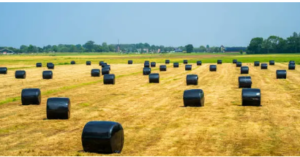
Long-Lasting Silage Covers in Australia’ How Durable Protection Solutions Are Preserving Feed Quality, Reducing Spoilage, and Maximising Farm Profits

In modern livestock farming, silage is a cornerstone of feed management, providing a stable, nutrient-dense feed source year-round. However, the value of silage is only as good as its preservation. Poorly protected silage can lead to spoilage, nutrient losses, and costly reductions in feed quality — all of which directly affect livestock health and farm profitability. That’s where long-lasting silage covers come into play. These advanced agricultural solutions are designed to provide superior protection, extending the lifespan and effectiveness of silage while helping farmers maximise the value of their hard-earned harvest.

Across Australia’s varied climates — from the humid coastal regions to the hot, dry interior — farmers are increasingly investing in long-lasting silage covers as a critical part of their feed storage strategy. Not only do these covers reduce spoilage and contamination, but they also contribute to better silage fermentation and significant cost savings over time.

How Long-Lasting Silage Covers Preserve Feed Quality

Silage is highly susceptible to spoilage if not stored properly. Exposure to oxygen, UV radiation, pests, and moisture can trigger rapid deterioration, leading to mould growth, nutrient loss, and decreased palatability. Long-lasting silage covers are designed to effectively combat these challenges.

  • Oxygen Barrier Technology: Modern silage films incorporate multi-layer oxygen barrier materials that minimise air penetration. This creates an anaerobic environment, which is crucial for proper fermentation, preserving nutrients, and improving feed digestibility.

  • UV-Resistant Formulations: Australia’s intense sunlight can quickly degrade conventional plastic covers. High-quality, long-lasting silage covers are treated with UV stabilisers that extend their lifespan, maintaining their integrity and effectiveness season after season.

  • Moisture and Contaminant Protection: By creating a robust physical barrier, these covers shield silage from rainwater, pests, birds, and other contaminants, drastically reducing the risk of spoilage.

The result is feed that retains its nutritional value and quality for extended periods, supporting healthier livestock and more efficient farm operations.

Reducing Spoilage and Waste with Superior Durability

Spoilage is one of the most significant contributors to economic loss in silage production. Even a small percentage of spoiled silage can represent thousands of dollars in wasted feed over a single season. Long-lasting silage covers are specifically designed to minimise these losses.

Unlike traditional polyethylene covers that can degrade or tear within a single season, premium-grade silage films are made to withstand Australia’s harsh weather conditions — from scorching summers to heavy rainfall and high winds. Their enhanced puncture and tear resistance ensure that the cover remains intact, even under challenging conditions, protecting the silage beneath from oxygen and moisture intrusion.

Moreover, because they maintain their structural integrity over multiple seasons, these covers also reduce the need for frequent replacements. This not only saves on replacement costs but also lowers labour requirements and reduces environmental waste — a growing priority for sustainable agriculture.

Boosting Farm Profitability Through Smart Investment

For many Australian farmers, investing in long-lasting silage covers is more than just a matter of feed protection — it’s a strategic business decision that directly impacts the bottom line. The economic benefits are multifaceted:

  • Higher Feed Efficiency: Better-preserved silage delivers more nutrients per kilogram, improving livestock weight gain, milk yield, and overall productivity.

  • Reduced Feed Purchases: With less spoilage and waste, farmers can rely more heavily on their own stored feed, lowering the need for costly supplemental purchases.

  • Lower Replacement Costs: Durable covers often last several years, offering better value over time compared to single-season alternatives.

  • Improved Return on Investment (ROI): When feed quality, livestock performance, and cost savings are combined, the ROI from high-quality silage covers becomes clear and significant.

In a competitive industry where margins are often tight, these benefits can significantly impact a farm’s profitability and long-term sustainability.

Conclusion:

In today’s challenging agricultural landscape, Australian farmers need every advantage they can get to protect their investments and improve profitability. Long-lasting silage covers are proving to be an innovative, practical solution — one that goes beyond simple feed protection. They safeguard feed quality, reduce spoilage, cut waste, and deliver measurable financial returns, all while supporting more sustainable and efficient farming practices.

Whether you’re managing a small dairy operation or a large-scale livestock enterprise, investing in premium-grade silage protection is a step towards securing not just your feed, but the future success of your farm. As technology continues to evolve, the next generation of long-lasting silage covers will only further enhance these benefits, making them an essential tool for Australian agriculture for years to come.

Net Wrap in Australia Choosing High-Quality Net Wrap for Australian Farms

In modern agriculture, feed quality plays a crucial role in ensuring the health, productivity, and overall profitability of livestock farms. Silage, as a preserved forage, has become an indispensable component of Australian livestock systems. However, the quality of silage is not only determined by the crop itself but also by the storage method. One crucial factor in maintaining high-quality silage is selecting the right silage plastic roll. This article examines the importance of selecting suitable silage plastic rolls and offers guidance for Australian farmers aiming to achieve optimal results.

The Role of Silage Plastic Rolls in Feed Preservation

Silage plastic rolls serve as the primary barrier between the harvested forage and external elements. They protect silage from air, moisture, and microbial contamination, which are the main factors that compromise feed quality. Inadequate wrapping can lead to mould growth, nutrient loss, and reduced palatability for livestock.

A high-quality silage plastic roll ensures airtight sealing, maintaining anaerobic conditions necessary for proper fermentation. It not only preserves the nutritional content of the forage but also extends its shelf life. Australian farms, facing diverse climatic conditions, require plastic rolls that can withstand UV exposure, temperature fluctuations, and physical wear during handling and storage.

Understanding Different Types of Silage Plastic Rolls

Not all silage plastic rolls are created equal. Farmers need to consider several options to match their specific needs.

Single-Layer vs. Multi-Layer Films

Single-layer films are the traditional choice, offering basic protection against air and moisture. However, multi-layer films, such as co-extruded polyethylene, offer enhanced durability, improved oxygen barrier properties, and increased puncture resistance. For Australian farms that handle large bale sizes or store silage for extended periods, multi-layer films are often a superior investment.

Thickness and Stretchability

The thickness of the silage plastic roll directly affects its durability and oxygen barrier capacity. Standard thickness ranges from 25 to 35 microns. Thicker films are more resistant to tearing during wrapping, especially when working in rough or uneven terrain. Additionally, stretchability is crucial to ensure a tight wrap around bales, preventing air pockets that could lead to spoilage.

UV Resistance and Weather Durability

Australian farms are exposed to intense sunlight and a range of varying weather conditions. Silage plastic rolls with high UV resistance prevent degradation of the film, maintaining the integrity of the silage wrap throughout the storage period. This feature is essential for farms in northern regions, where high temperatures and direct sunlight are prevalent.

Key Considerations for Choosing the Right Silage Plastic Roll

Selecting the ideal silage plastic roll involves evaluating several factors specific to the farm’s operational requirements.

Bale Size and Type

Different bale sizes, such as small square bales or large round bales, require appropriate roll dimensions. Using a roll that is too narrow can result in insufficient coverage, while overly wide rolls may be cumbersome to handle and waste material. Understanding the type of bale and storage method is crucial for selecting the correct roll width and length.

Farm Machinery Compatibility

Farmers should ensure the chosen silage plastic roll is compatible with existing wrapping equipment. Some films are designed for high-speed automated wrappers, while others work best with manual or semi-automatic machines. Compatibility improves efficiency and reduces the risk of film damage during application.

Cost vs. Longevity

While high-quality silage plastic rolls may have a higher upfront cost, they offer better protection, longer shelf life, and reduced spoilage. Australian farmers should weigh the long-term benefits of reduced feed loss against initial expenditure. Often, investing in a premium roll results in substantial savings by preserving a greater portion of the crop’s nutritional value.

Conclusion:

Choosing the right silage plastic roll is a critical decision for Australian farmers committed to maximising feed quality. From understanding the differences between single-layer and multi-layer films to considering factors such as thickness, stretchability, and UV resistance, each element impacts the longevity and nutritional value of silage. Innovations such as oxygen-barrier films, biodegradable options, and anti-puncture coatings provide even more tools to optimise feed preservation.

By aligning the choice of silage plastic roll with specific farm requirements, machinery compatibility, and long-term sustainability goals, farmers can ensure their livestock receive high-quality, nutrient-rich feed while reducing spoilage and waste. Investing in the right silage plastic roll is not merely a purchasing decision—it is a strategic step toward farm efficiency, productivity, and profitability in the competitive Australian agricultural landscape.

Pallet Freezer Spacers The Role of Vented Pallet Freezer Spacers in Modern Warehousing

In the highly competitive cold storage industry, efficiency and cost-effectiveness are critical. Australian warehouses and distribution centres are under constant pressure to reduce energy consumption, maintain product integrity, and maximise storage capacity. One often-overlooked tool that plays a pivotal role in achieving these objectives is the vented pallet freezer spacers. These simple yet highly functional devices are revolutionising the way cold storage operations are conducted across the country.

Understanding Vented Pallet Freezer Spacers

Vented pallet freezer spacers are specially designed inserts placed between pallets in freezer environments. Unlike traditional solid spacers, vented variants feature openings that facilitate air circulation throughout the stack of goods. This seemingly minor innovation has profound implications for cold storage management. By allowing cold air to pass freely between pallets, these spacers ensure uniform temperature distribution, reducing the risk of hot spots that can compromise product quality.

Additionally, vented spacers are typically manufactured from durable, food-grade plastics that are resistant to low temperatures and repeated handling. Their robust construction ensures longevity, even in the harshest freezer environments, making them a cost-effective solution for long-term operations.

Enhancing Airflow and Energy Efficiency

One of the most significant advantages of using vented pallet freezer spacers is their impact on airflow. Efficient airflow is crucial in freezer operations, as uneven air distribution can result in temperature fluctuations, product spoilage, and increased energy consumption.

By creating a consistent gap between pallets, vented spacers enable cold air to circulate freely, ensuring that every pallet receives uniform cooling. It enhances the overall thermal efficiency of the freezer, enabling refrigeration units to operate less frequently or at lower intensities. The result is a noticeable reduction in energy costs—a crucial factor in Australia, where electricity prices for industrial facilities can be substantial.

Maximising Storage Space

Space utilisation is another key challenge in modern cold storage facilities. With limited warehouse real estate, operators must strike a balance between high-density storage and adequate airflow to maintain product integrity. Vented pallet freezer spacers offer a practical solution to this dilemma.

By stacking pallets with vented spacers, facilities can increase vertical storage without compromising airflow. The spacers create an optimal gap between layers, allowing for taller stacks and more efficient use of cubic space. It not only increases storage capacity but also streamlines warehouse operations, reducing the need for frequent product reshuffling or movement.

Reducing Product Damage and Waste

Product damage is a significant concern when storing frozen goods. Improper freezing or uneven temperature distribution can lead to partial thawing, freezer burn, or quality degradation. Vented pallet freezer spacers help mitigate these risks by ensuring consistent airflow around each pallet, maintaining stable temperatures throughout the stack.

Additionally, these spacers act as protective buffers during handling and transportation. Their durable design prevents pallets from shifting, reduces impact damage, and minimises crushing of goods on lower layers. By reducing product loss and maintaining quality, vented spacers contribute directly to operational efficiency and profitability.

Streamlining Warehouse Operations

Efficiency in cold storage isn’t only about preserving products—it’s also about optimising workflows. Vented pallet freezer spacers facilitate faster loading and unloading by maintaining uniform gaps between pallets, ensuring efficient operation. Forklift operators can maneuver pallets more easily, and inventory can be accessed without disturbing other stacks.

Furthermore, standardised spacer sizes and designs simplify stacking protocols. Workers no longer need to spend time adjusting pallet arrangements to accommodate airflow, as vented spacers inherently create the optimal gap for cooling. It leads to a more organised and safer working environment, reducing the risk of accidents and improving overall productivity.

Sustainability and Environmental Benefits

Sustainability is an increasingly important consideration for Australian cold storage operators. With environmental regulations tightening and consumer demand for eco-conscious practices rising, energy efficiency and waste reduction are more than operational concerns—they are strategic imperatives.

Conclusion:

In the evolving landscape of Australian cold storage, operational efficiency and product integrity are non-negotiable. Vented pallet freezer spacers offer a practical, cost-effective, and sustainable solution to many of the challenges faced by modern warehouses. By enhancing airflow, maximising storage space, reducing product damage, and streamlining workflows, these devices play a critical role in optimising freezer operations.

For warehouses seeking to enhance energy efficiency, minimise operational costs, and uphold high-quality standards, incorporating vented pallet freezer spacers is not merely an option—it is a strategic necessity.

Silage Plastic Its Role in Extending the Shelf Life of Forage in Australia

In the vast and diverse agricultural landscape of Australia, maintaining the quality and longevity of forage is crucial for livestock producers. Silage plastic has emerged as a game-changing innovation, significantly extending the shelf life of forage and ensuring a reliable feed supply year-round. This technology has not only enhanced the efficiency of feed storage but also contributed to the sustainability and profitability of Australian farming operations.

Understanding Silage Plastic: What It Is and How It Works

Silage plastic is a specialised type of polyethylene film designed to wrap and seal forage crops such as grass, hay, and corn, preserving their nutritional value through anaerobic fermentation. By creating an airtight barrier, silage plastic prevents oxygen from entering the storage environment, which is essential to inhibit the growth of spoilage organisms like moulds and yeasts.

In the Australian context, where climatic variability can range from drought to heavy rainfall, silage plastic plays a critical role. It allows farmers to store forage safely during periods of abundance and access high-quality feed when pasture growth is limited. The ability to maintain forage quality over extended periods is particularly valuable given Australia’s often unpredictable weather patterns.

The Importance of Silage Plastic in Australia’s Agricultural Climate

Australia’s agricultural sector faces unique challenges due to its diverse climates and frequent extreme weather events. Silage plastic helps mitigate some of these challenges by extending the usable life of forage. For instance, in regions prone to drought, silage plastic allows producers to conserve surplus forage during wetter months and use it during dry spells, reducing the need for costly supplementary feeds.

Furthermore, silage plastic is instrumental in regions with high humidity, such as parts of Queensland and northern New South Wales. Without proper storage, forage can quickly spoil, leading to significant losses. The airtight seal provided by silage plastic ensures that forage remains fresh, reducing waste and maximising the feed’s economic value.

Economic Benefits of Using Silage Plastic on Australian Farms

Investing in silage plastic can lead to substantial cost savings for Australian livestock farmers. By extending the shelf life of forage, farmers can minimise spoilage-related losses, reduce the frequency of feed purchases, and improve overall herd health through consistent nutrition.

Additionally, the improved feed quality supports better animal growth rates and productivity. This translates to increased returns, especially for beef and dairy producers who rely on high-quality forage for optimal output. The economic advantages are amplified when considering the reduced labour and logistical efforts needed to manage and replace spoiled feed.

Environmental and Sustainability Impacts

Silage plastic also supports environmental sustainability efforts on Australian farms. Reducing forage wastage decreases the carbon footprint associated with producing, harvesting, and transporting feed. Moreover, efficient forage preservation lowers the need for additional land clearing or irrigation to produce replacement feed, helping protect native ecosystems.

Recent advancements in silage plastic technology have focused on recyclability and reducing environmental impact. Several Australian programs now promote the collection and recycling of used silage plastic, aligning with the country’s broader commitment to sustainable agriculture.

Innovations and Future Trends in Silage Plastic Usage in Australia

The Australian silage plastic industry continues to evolve, with manufacturers introducing multi-layer films that enhance durability, UV resistance, and oxygen barrier properties. These innovations ensure longer protection, especially under Australia’s intense sun and varying climatic conditions.

Research into biodegradable silage plastic is also gaining momentum. While still in early stages, these products could offer an eco-friendly alternative to traditional plastics, helping Australian farmers meet environmental regulations and consumer demands for sustainability.

Furthermore, integration of smart technologies such as sensors embedded in silage plastic films could revolutionise feed management. These sensors can monitor temperature, oxygen levels, and moisture inside the forage wrap, alerting farmers to potential spoilage risks in real time.

Practical Tips for Maximising the Benefits of Silage Plastic

To fully capitalise on the benefits of silage plastic, Australian farmers should follow best practices during forage harvest and storage. This includes ensuring crops are harvested at the optimal moisture level, applying the plastic correctly to eliminate air pockets, and storing wrapped forage in shaded or protected areas to prevent UV damage.

Regular training and extension services provided by agricultural bodies such as Meat & Livestock Australia (MLA) help disseminate knowledge on effective silage plastic use. These programs ensure that farmers stay informed about the latest techniques and innovations.

Conclusion: Silage Plastic as a Vital Tool for Australian Agriculture

Silage plastic has firmly established itself as an indispensable asset for Australian livestock producers seeking to enhance forage preservation. By effectively extending the shelf life of forage, it supports farm profitability, environmental sustainability, and feed security across the country’s diverse agricultural zones.

As technology advances and sustainability pressures increase, the role of silage plastic will only grow in importance. Australian farmers who embrace these innovations will be well-positioned to meet future challenges and maintain a competitive edge in the global agricultural market.

Pallet Freezer Spacers: Improving Airflow, Reducing Costs, and Maintaining Product Quality

The cold storage sector in Australia is under increasing pressure. With rising energy costs, strict food safety standards, and the growing demand for longer product shelf life, businesses are searching for more innovative solutions to optimise their operations. One tool that has proven to be indispensable in this effort is the pallet freezer spacer. Far from being just a storage accessory, pallet freezer spacers play a crucial role in improving airflow, cutting operational expenses, and preserving the quality of perishable goods.


The Role of Pallet Freezer Spacers in Cold Storage

pallet freezer spacers
pallet freezer spacers improving airflow, reducing costs, and maintaining product quality

Pallet freezer spacers are lightweight, durable inserts designed to create airflow channels between stacked layers of cartons on pallets. By allowing cold air to circulate evenly around the product, these spacers accelerate freezing times and improve temperature uniformity. In industries such as meat processing, seafood export, dairy, and fresh produce, where maintaining strict temperature controls is non-negotiable, pallet freezer spacers ensure compliance with safety standards while boosting efficiency.


Without adequate airflow, products may freeze unevenly—leaving the outer layers solid while the inner cartons remain at higher temperatures. This inconsistency not only poses food safety risks but can also result in costly product rejections. Pallet freezer spacers eliminate this problem by facilitating faster and more consistent cooling.


Meeting Australia’s Food Safety and Export Standards

Australia’s agricultural and food sectors are major contributors to its economy, with exports reaching markets around the world. Meeting international quality standards is therefore critical. For perishable goods like beef, lamb, dairy, and seafood, maintaining correct cold chain conditions from processing to export is essential.


Pallet freezer spacers support compliance with these standards by ensuring that every product on the pallet is cooled or frozen evenly. It reduces the risk of spoilage, bacterial growth, and temperature-related quality defects that could jeopardise export approvals. In a highly competitive global market, businesses that adopt pallet freezer spacers demonstrate a proactive commitment to food safety and product integrity.

Improving Airflow for Faster and More Efficient Freezing

The most apparent advantage of pallet freezer spacers lies in their ability to enhance airflow. Traditional pallet stacking can restrict air circulation, creating temperature variations within the load. This forces cold storage facilities to run freezers longer and at lower temperatures to achieve the desired results.


With pallet freezer spacers, cold air moves freely across all surfaces of the stacked cartons. It not only speeds up the freezing process but also reduces the energy required to maintain consistent conditions. Studies have shown that the use of pallet freezer spacers can cut freezing times by up to 30%, allowing facilities to process larger volumes of products in less time. For high-demand sectors such as meat and seafood exports, these efficiency gains can be a game-changer.


Reducing Operational Costs in Cold Storage

Energy costs in Australia are among the highest in the developed world, making cost efficiency a top priority for cold storage operators. By reducing freezing times and ensuring uniform cooling, pallet freezer spacers help businesses lower electricity consumption significantly.

Additionally, shorter freezing cycles mean less wear and tear on refrigeration equipment, extending the lifespan of costly infrastructure. For businesses managing large cold storage warehouses or blast freezers, these savings quickly add up. When viewed as a long-term investment, pallet freezer spacers deliver a strong return by reducing both direct and indirect operational costs.


Maintaining Product Quality and Shelf Life

The quality of frozen goods is directly tied to how quickly and evenly they are frozen. Slow or uneven freezing can lead to larger ice crystals forming within food products, damaging cell structures and negatively impacting texture, flavour, and overall quality once thawed.

By facilitating rapid and uniform freezing, pallet freezer spacers help preserve the natural characteristics of food.


Conclusion:

In an industry where every degree matters, pallet freezer spacers have proven themselves as essential assets for cold storage efficiency in Australia. By improving airflow, reducing operational costs, and maintaining product quality, they support both profitability and compliance with stringent food safety standards.


For businesses aiming to stay competitive in the global marketplace while managing rising energy costs and sustainability demands, pallet freezer spacers are not just a helpful accessory—they are a critical component of modern cold storage operations.

Net Replacement Film: How High-Quality Net Replacement Film Protects Your Equipment and Maximises Efficiency

In industries in Australia ranging from agriculture to manufacturing, the protection of equipment and maintaining efficiency are paramount for success. One often-overlooked element that plays a crucial role in this regard is net replacement film. High-quality net replacement film offers exceptional protection for your machinery, improves operational efficiency, and reduces maintenance costs. In this article, we explore how investing in high-quality net replacement film can benefit your operations and why it’s worth considering for your business.

Understanding Net Replacement Film

high-quality net replacement filmNet replacement film is typically used to cover or replace worn-out nets that are used in a variety of industries. In agriculture, for example, netting is often used to protect crops, while in manufacturing, nets are used in processes such as packaging or transporting goods. Over time, nets can become damaged, torn, or degraded due to constant use, environmental exposure, or physical wear. When this happens, high-quality net replacement film is used to restore the protective covering or provide a new, durable solution.
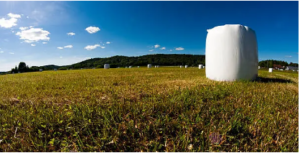
Unlike traditional nets, net replacement film is often made from materials designed to offer enhanced strength, resilience, and longevity. These films are specially engineered to handle a wide range of challenges, from harsh weather conditions to mechanical wear, making them a preferred choice for replacing old or damaged nets.

Protecting Your Equipment

One of the primary benefits of using high-quality net replacement film is its ability to protect your equipment. Whether you’re in the agricultural, manufacturing, or logistics sector, equipment protection is a top priority. High-quality net replacement film offers the following protective advantages:

  1. Enhanced Durability: Premium net replacement films are made from highly advanced materials that offer superior resistance to abrasion, tearing, and puncturing. It ensures that the equipment beneath the net is shielded from mechanical damage, reducing the risk of costly repairs or replacements.
  2. Weather Resistance: For industries operating in outdoor environments, exposure to harsh weather conditions can severely affect equipment. UV rays, rain, and wind can cause significant damage to exposed equipment. High-quality net replacement films are designed to withstand these elements, offering UV protection that prevents degradation and keeps your equipment safe from environmental stressors.
  3. Resistance to Chemical Damage: Certain industrial settings involve the significant use of chemicals that can corrode or weaken materials. High-quality net replacement films are often resistant to chemical damage, ensuring that your equipment is not compromised by exposure to cleaning agents, oils, or other industrial chemicals.

Maximising Efficiency

The protective qualities of high-quality net replacement films don’t just preserve your equipment—they also play a significant role in maximising the efficiency of your operations.

  1. Reduced Downtime: When equipment is protected by a durable, high-quality net replacement film, the likelihood of malfunctions or breakdowns is greatly reduced. It minimises the need for repairs and maintenance, keeping downtime to a minimum. The less time your equipment spends out of service, the more efficiently your business operates.
  2. Improved Productivity: Using net replacement film that is both durable and reliable ensures smooth operations in environments that rely on efficient workflows. In agricultural applications, for instance, the protection of crops by a high-quality net replacement film helps to maximise yields and minimise losses caused by environmental factors. In manufacturing, ensuring that equipment remains in optimal condition allows for faster production speeds and less interruption in the process.
  3. Lower Maintenance Costs: A major contributor to inefficiency in any industry is the cost of repairs and maintenance. High-quality net replacement films significantly reduce the need for frequent replacements or costly repairs. With their longevity and resistance to wear, these films offer a cost-effective solution, reducing the financial burden on businesses while improving the overall performance of machinery.
  4. Better Resource Management: Investing in durable net replacement films contributes to more effective resource management. Whether you’re managing crops, raw materials, or finished products, ensuring the protection and preservation of these resources leads to better yields and fewer losses. In agricultural settings, for example, a high-quality net replacement film can prevent crop damage from animals or harsh weather, allowing for more efficient use of land and resources.

Conclusion

In conclusion, high-quality net replacement film offers an essential solution for protecting your equipment and maximising operational efficiency. By choosing durable, weather-resistant, and chemically resistant materials, you can safeguard your machinery from damage and extend its lifespan. Furthermore, the use of high-quality net replacement film reduces downtime, lowers maintenance costs, and improves overall productivity. Although the upfront cost may be higher, the long-term benefits make it a worthwhile investment for any business seeking to improve its operations, reduce risks, and increase efficiency. When it comes to protecting your equipment, investing in high-quality net replacement films is a step towards ensuring the longevity and success of your business.

Silage Wrap: Understanding Silage Wrap

In the diverse landscape of Australian agriculture, effective feed preservation techniques are vital for livestock management. One of the most popular methods for preserving forage is the use of silage wrap. This innovative solution not only enhances the quality of feed but also helps farmers optimise their resources. For quality stretch silage wrap, click here.

What is Silage Wrap?

stretch silage wrapSilage wrap is a plastic film used to cover and protect silage, fermented, high-moisture fodder preserved for later use. Typically made from polyethylene, silage wrap is designed to create an airtight seal around the forage, allowing the fermentation process to occur while minimising exposure to oxygen.
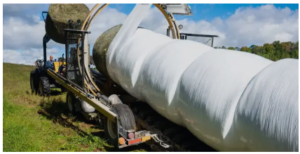
The Importance of Silage Wrap in Australia

Australia’s climate varies significantly from region to region, leading to challenges in forage production. In many areas, farmers face droughts or unpredictable weather patterns that can hinder the growth of pastures and crops.

Benefits of Using Silage Wrap

Enhanced Feed Quality

Silage wrap creates an anaerobic environment that promotes proper fermentation. This process preserves the nutritional value of the forage, resulting in high-quality silage that is rich in energy and protein. Livestock fed with high-quality silage typically exhibit improved growth rates and milk production.

Reduced Waste

Traditional methods of forage preservation, such as haymaking, can lead to significant nutrient loss due to spoilage and exposure to the elements. Silage wrap minimises waste by preventing moisture loss and protecting the silage from contaminants, ensuring that farmers get the most out of their harvested forage.

Flexibility and Convenience

Farmers can wrap silage bales at their convenience, allowing them to manage their workload effectively. This flexibility is especially beneficial during peak harvesting times when farmers need to maximise their efficiency.

Cost-Effective Storage Solution

Silage wrap is lightweight and requires minimal storage space compared to bulk silage systems. It makes it a cost-effective solution for farmers, particularly those operating on a smaller scale.

Easy Handling and Transport

Wrapped silage bales are easier to handle and transport than loose silage. The compact nature of wrapped bales allows farmers to move and store them with greater ease, reducing labour costs and improving efficiency.

Choosing the Right Silage Wrap

When selecting silage wrap, farmers in Australia should consider several factors to ensure optimal performance:

  • Thickness and Durability: Silage wrap is available in various thicknesses, usually ranging from 20 to 30 microns. Thicker wraps provide better protection against punctures and tears, while thinner wraps may be more economical but could compromise durability.
  • UV Protection: Given Australia’s intense sunlight, choosing a silage wrap with UV protection is crucial. UV-resistant wraps help prevent degradation from sunlight exposure, extending the life of the silage and maintaining its quality.
  • Colour: The colour of the silage wrap can impact temperature regulation. For instance, black wraps absorb heat, while white wraps reflect sunlight. Farmers should choose a colour that aligns with their specific climate conditions and storage needs.

Best Practices for Using Silage Wrap

To maximise the effectiveness of silage wrap, farmers should follow these best practices:

  • Harvest at the Right Time: Optimal forage moisture content for silage production is typically between 30-40%. Harvesting at the right time ensures proper fermentation and high-quality silage.
  • Ensure Proper Sealing: After wrapping the bales, check for any gaps or holes that could allow air to enter. Proper sealing is crucial to maintaining the anaerobic environment necessary for fermentation.
  • Store Bales Properly: Store wrapped bales in a cool, dry area away from direct sunlight to protect them from UV damage. It will help preserve the integrity of the wrap and the quality of the hay.
  • Monitor and Manage Feed: Regularly check stored silage for signs of spoilage or quality degradation. Managing feed access for livestock can also help maintain the quality of the remaining silage.

Conclusion:

Silage wrap has become an essential tool for Australian farmers, offering an efficient and effective way to preserve forage and ensure a steady feed supply. By understanding its benefits, selecting suitable materials, and following best practices, farmers can optimise their livestock nutrition and improve their overall productivity. As the agricultural landscape continues to evolve, silage wrap will undoubtedly play a pivotal role in sustainable farming practices across Australia.

Silage Wrap: Everything You Need to Know About Silage Wrap in Australia

In the agricultural sector, preserving livestock feed is crucial, especially in a country as vast and diverse as Australia. Silage wrap plays a vital role in this preservation process, ensuring that feed remains nutritious and accessible throughout the year. For more information about the silage wrap cost, click here.

What is Silage Wrap?

silage wrap costSilage wrap is a type of plastic film used to encase silage—fermented fodder used as animal feed. This wrap helps protect the hay from environmental factors, ensuring that the feed remains high-quality and free from contaminants.

Why is Silage Wrap Important in Australia?

Australia’s agricultural industry is vast, with diverse climates ranging from temperate to arid regions. The importance of silage wrap in this context cannot be overstated. Here’s why:

  • Climate Variability: Australia’s weather can be unpredictable, with heavy rains, intense heat, and prolonged droughts. Silage wrap protects the feed from these extremes, ensuring that it remains adequate and nutritious.
  • Long-Term Storage: Farmers often need to store feed for extended periods. Silage wrap allows for the preservation of feed over several months, making it an essential tool for ensuring a consistent food supply for livestock.
  • Efficient Use of Resources: With the suitable silage wrap, farmers can optimise their feed resources, reducing waste and ensuring that every bit of fodder contributes to livestock nutrition.

Types of Silage Wrap

When selecting silage wrap, it’s essential to consider the different types available:

  • Standard Silage Wrap: This is the most common type used for general silage storage. It is typically made from a multi-layered, UV-resistant plastic film that provides excellent protection.
  • High-Density Silage Wrap: For farmers looking for extra durability, high-density wraps offer enhanced strength and resistance to punctures and tears. For more information about the silage wrap cost, click here.
  • Biodegradable Silage Wrap: With growing environmental concerns, biodegradable options are becoming more popular. These wraps break down naturally over time, reducing environmental impact.

How to Use Silage Wrap

Using silage wrap correctly is crucial for maximising its benefits. Here’s a step-by-step guide:

  • Preparation: Ensure that the hay is at the correct moisture level before wrapping. Ideally, the moisture content should be between 50% and 70%. Too much moisture can cause the wrap to degrade quickly, while too little can lead to poor fermentation.
  • Wrapping: Use a silage baler to compress the fodder into bales. As the bales are formed, wrap them with the silage film, ensuring that the wrap covers the entire surface without gaps. Overlapping layers can provide added protection.
  • Storage: Once wrapped, store the hay in a cool, dry place away from direct sunlight. Proper storage conditions will prolong the effectiveness of the wrap and preserve the quality of the hay.

Benefits of Silage Wrap

Silage wrap offers numerous benefits to Australian farmers:

  • Enhanced Preservation: By creating an airtight seal, silage wrap significantly reduces the risk of spoilage and ensures that the feed retains its nutritional value.
  • Cost-Effective: Investing in quality silage wrap can save money in the long run by reducing feed waste and ensuring a reliable food source for livestock.
  • Convenience: Silage wrap simplifies the process of feed preservation, making it easier for farmers to manage their resources and storage.
  • Environmental Impact: With options like biodegradable silage wrap, farmers can reduce their environmental footprint while maintaining practical feed preservation.

Choosing the Right Silage Wrap in Australia

Selecting the appropriate silage wrap depends on various factors, including the type of feed, climate, and storage conditions. Here are some tips for making the best choice:

  • Quality: Opt for high-quality wraps that offer durability and UV resistance. The wrap should be able to withstand the Australian climate.
  • Thickness: Consider the thickness of the wrap. Thicker wraps generally provide better protection but may be more expensive.
  • Supplier: Choose a reputable supplier who offers reliable products and good customer service. They can provide valuable advice and support.

Conclusion:

Silage wrap is an indispensable tool for Australian farmers, ensuring that feed is preserved effectively despite the country’s challenging climate. By understanding the types of silage wrap available, how to use them, and the benefits they offer, farmers can make informed decisions that enhance their feed preservation strategies.

Different Types of Baling Twine

Baling twine is an important material that is used for several different tasks. It is made of either sisal, polypropylene or reserves and can be used in various ways. The advantages of using this material include its flexibility and its strength. These features make it ideal for several different uses. Besides being strong and durable, baling twine is also eco-friendly.

Reyes

baling twineReyes baling twine is made from a bio-composable material, which prevents knot slippage and ensures uniform weight distribution. It is also UV protected and made with high-quality components.

The twine comes in different lengths and colours to meet the needs of farmers. Some of the baling cords that Reyenvas produces include sisal, polypropylene, and solar-degradable. Moreover, it is available in various strengths.

Sisal is a potent type of baling twine. Besides, it is rot-resistant and easy to run in a baler. On the other hand, polypropylene provides a very soft feel. Both types have their advantages and disadvantages. Polypropylene is a thermoplastic polymer that is light, durable, and inexpensive. It is also resistant to most chemicals, acids, and water.

Polypropylene

Polypropylene baling twine is a single-ply synthetic baler twine that is durable, easy to handle and rot-resistant. It is used for packaging and is available in various colours to make identification easier.

Baling twine is used to hold together bales of hay and other crops. The thin rope has the bales tightly while allowing the crop to move smoothly across the rough surface of the crop.

Polypropylene baling twine is used in a variety of agriculture applications. It is a good choice for bales handled often or left in the field.

Because polypropylene is durable, it is often used in livestock feedlots. However, it can take up to half a century for baling twine to break down.

Sisal

Sisal baling twine is made from natural fibres and is 100% biodegradable. It is made from sisal, an agave family plant native to South America, and the baling cord binds hay, straw, and other fibrous materials together.

In addition to its primary use as a baler, the twine can reattach tractor parts, mend fences, and stabilize a wall. It makes it a valuable part of any farm.

Baling twine is available in several types. One is made of natural fibres, and the other is synthetic. Both are safe for outdoor use.

Natural fibres have experienced wide fluctuations in price. Fortunately, baling twine can be purchased from co-ops and farmers’ supply stores. Polypropylene twine is another type. Polypropylene is a plastic polymer. This type of twine is stronger than sisal.

Recyclable

You’ll probably have a lot of baling twines if you’re a farmer. This type of twine is used to bind hay bales, one of the most common.

When you have a lot of baling twines to recycle, it’s a good idea to take it to a specialist recycling centre. They can usually process your baling cord and give you a market rate. You can also drop off your used baling twine at a local drop-off site.

The good news is that the recycling process for baling twine is easy and quick. First, secure your baling cord into a strong plastic bag with baling tape. Once the baling twine has been compacted, you can give it to a local recycling centre or drop it off at a particular baling twine recycling site. In addition, many towns and cities have a program to accept your used baling twine.

Other uses

Baling twine is used in many agricultural applications, including making hay bales, securing items in the garden, or repairing fences. It can also be helpful in many household applications.

There are several different baling twine types, each serving a similar purpose. The most common types of baling twine are sisal and hemp. These materials are easy to work with and are very strong. They can be found in a variety of colours. In addition, you can discover baling twine in various weights and diameters.

Several farms and ranches use rodenticide-treated baling twine. It is a rigid, durable, and easy-to-track material that will hold up for years. When choosing a baling cord, keep the following things in mind:

It would be best to choose a baling twine with the correct meter-weight ratio. It is important, as it will help you avoid tying the bale to a piece of wood or metal.