Silage Wrap: Everything You Need to Know About Silage Wrap in Australia
In the agricultural sector, preserving livestock feed is crucial, especially in a country as vast and diverse as Australia. Silage wrap plays a vital role in this preservation process, ensuring that feed remains nutritious and accessible throughout the year. For more information about the silage wrap cost, click here.
What is Silage Wrap?
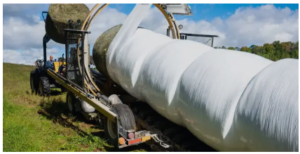 Silage wrap is a type of plastic film used to encase silage—fermented fodder used as animal feed. This wrap helps protect the hay from environmental factors, ensuring that the feed remains high-quality and free from contaminants.
Why is Silage Wrap Important in Australia?
Australia’s agricultural industry is vast, with diverse climates ranging from temperate to arid regions. The importance of silage wrap in this context cannot be overstated. Here’s why:
- Climate Variability: Australia’s weather can be unpredictable, with heavy rains, intense heat, and prolonged droughts. Silage wrap protects the feed from these extremes, ensuring that it remains adequate and nutritious.
- Long-Term Storage: Farmers often need to store feed for extended periods. Silage wrap allows for the preservation of feed over several months, making it an essential tool for ensuring a consistent food supply for livestock.
- Efficient Use of Resources: With the suitable silage wrap, farmers can optimise their feed resources, reducing waste and ensuring that every bit of fodder contributes to livestock nutrition.
Types of Silage Wrap
When selecting silage wrap, it’s essential to consider the different types available:
- Standard Silage Wrap: This is the most common type used for general silage storage. It is typically made from a multi-layered, UV-resistant plastic film that provides excellent protection.
- High-Density Silage Wrap: For farmers looking for extra durability, high-density wraps offer enhanced strength and resistance to punctures and tears. For more information about the silage wrap cost, click here.
- Biodegradable Silage Wrap: With growing environmental concerns, biodegradable options are becoming more popular. These wraps break down naturally over time, reducing environmental impact.
How to Use Silage Wrap
Using silage wrap correctly is crucial for maximising its benefits. Here’s a step-by-step guide:
- Preparation: Ensure that the hay is at the correct moisture level before wrapping. Ideally, the moisture content should be between 50% and 70%. Too much moisture can cause the wrap to degrade quickly, while too little can lead to poor fermentation.
- Wrapping: Use a silage baler to compress the fodder into bales. As the bales are formed, wrap them with the silage film, ensuring that the wrap covers the entire surface without gaps. Overlapping layers can provide added protection.
- Storage: Once wrapped, store the hay in a cool, dry place away from direct sunlight. Proper storage conditions will prolong the effectiveness of the wrap and preserve the quality of the hay.
Benefits of Silage Wrap
Silage wrap offers numerous benefits to Australian farmers:
- Enhanced Preservation: By creating an airtight seal, silage wrap significantly reduces the risk of spoilage and ensures that the feed retains its nutritional value.
- Cost-Effective: Investing in quality silage wrap can save money in the long run by reducing feed waste and ensuring a reliable food source for livestock.
- Convenience: Silage wrap simplifies the process of feed preservation, making it easier for farmers to manage their resources and storage.
- Environmental Impact: With options like biodegradable silage wrap, farmers can reduce their environmental footprint while maintaining practical feed preservation.
Choosing the Right Silage Wrap in Australia
Selecting the appropriate silage wrap depends on various factors, including the type of feed, climate, and storage conditions. Here are some tips for making the best choice:
- Quality: Opt for high-quality wraps that offer durability and UV resistance. The wrap should be able to withstand the Australian climate.
- Thickness: Consider the thickness of the wrap. Thicker wraps generally provide better protection but may be more expensive.
- Supplier: Choose a reputable supplier who offers reliable products and good customer service. They can provide valuable advice and support.
Conclusion:
Silage wrap is an indispensable tool for Australian farmers, ensuring that feed is preserved effectively despite the country’s challenging climate. By understanding the types of silage wrap available, how to use them, and the benefits they offer, farmers can make informed decisions that enhance their feed preservation strategies.
Silage Plastic Its Role in Extending the Shelf Life of Forage in Australia
Stockinette Bags Guide for Industrial Use in Australia’ Materials, Applications, and Buying Considerations
Long-Lasting Silage Covers in Australia’ How Durable Protection Solutions Are Preserving Feed Quality, Reducing Spoilage, and Maximising Farm Profits
About Author
